- You have no items in your shopping cart
- Continue Shopping


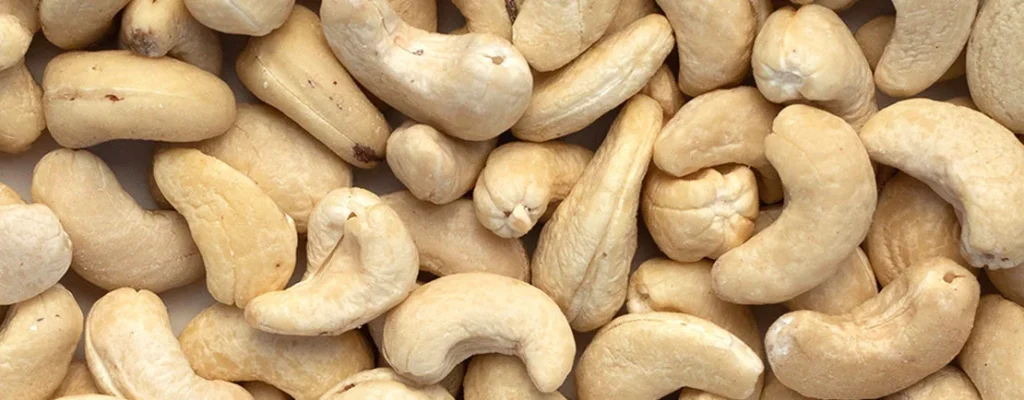
Organic cashew kernels are a widely traded agricultural product valued for their nutrition, taste, and versatility. Here is a structured, comprehensive overview covering production, quality, markets, and practical considerations. (bulk cashew Kernels supplier)
1. What “organic cashew kernels” means
Organic cashew kernels come from cashew nuts grown without synthetic fertilizers, pesticides, or genetically modified organisms. Certification is typically issued by recognized bodies such as:
USDA Organic
European Union Organic Certification
Ecocert
Producers must follow strict standards on soil health, pest control, and traceability.
2. Origin and production
Cashews grow on the tree Anacardium occidentale, native to Brazil but now widely cultivated in:
India
Vietnam
Nigeria
Côte d’Ivoire
Tanzania
Processing steps
Harvesting cashew apples and nuts
Drying raw nuts
Roasting or steaming (to remove toxic shell oil)
Shelling
Peeling
Grading
Packaging
Organic processing avoids chemical treatments and uses controlled, hygienic methods.
3. Kernel grades and classification
Cashew kernels are graded mainly by size, color, and condition.
Common grades
White Wholes (WW): Premium whole kernels
WW180 (largest, “king of cashews”)
WW210
WW240
WW320 (most common)
WW450 (smaller)
Scorched Wholes (SW): Slightly browned
Broken grades: Butts, splits, pieces
Higher grades (e.g., WW180, WW240) command higher prices. (organic agriculture products)
4. Nutritional profile
Cashew kernels are nutrient-dense:
Healthy fats (monounsaturated & polyunsaturated)
Protein (~18%)
Minerals: magnesium, zinc, iron, phosphorus
Vitamins: B-complex, vitamin E
Antioxidants
They support heart health, energy metabolism, and immune function when consumed in moderation. (Best Wholesale Supplier)
5. Uses and applications
Cashew kernels are highly versatile:
Food industry
Snacks (roasted, salted, flavored)
Confectionery and chocolate
Dairy alternatives (cashew milk, butter, cheese)
Cooking (curries, sauces, desserts)
Industrial uses
Cashew paste and oil
Ingredient in plant-based products
6. Organic vs conventional cashews
Organic advantages
No chemical residues
Environmentally sustainable
Premium market pricing
Increasing consumer demand
Challenges
Lower yields in some cases
Higher certification and compliance costs
Requires strict supply chain traceability
7. Packaging and storage
Vacuum-packed or nitrogen-flushed bags
Common pack sizes: 10 kg, 25 lbs (11.34 kg) cartons
Store in cool, dry conditions (≤10–15°C preferred)
Shelf life: 6–12 months depending on storage
Exposure to moisture or heat can cause rancidity.
8. Global market overview
Major exporters:
Vietnam
India
Côte d’Ivoire
Major importers:
United States
Germany
Netherlands
United Arab Emirates
Demand is driven by health-conscious consumers and plant-based diets.
9. Pricing factors
Prices vary depending on:
Grade (WW180 > WW320 > broken)
Organic certification premium (typically +10–30%)
Crop yield and seasonal supply
Processing quality
Global demand trends
10. Quality standards
Key parameters buyers look for:
Moisture: ~3–5%
Low defective rate
Uniform color
No infestation
Compliance with food safety standards (HACCP, ISO)
11. Trade and export considerations
If sourcing or exporting:
Certification documentation (organic + phytosanitary)
Compliance with import regulations (EU, US, etc.)
Proper HS code: typically 0801.32
Reliable logistics and packaging
12. Risks and challenges
Price volatility
Climate impact on yields
Quality inconsistency
Fraud in organic labeling (requires verification)
13. Trends (2025–2026)
Growth in organic and fair-trade cashews
Rising demand for plant-based dairy alternatives
Increased processing in Africa (value addition locally)
Sustainability and traceability becoming key buying criteria
14. Quick buying checklist
Confirm organic certification authenticity
Check grade (e.g., WW320 vs WW240)
Request sample and lab analysis
Verify moisture and defects
Assess packaging quality
Confirm origin and processing standards
Share: